Crown Princesses of Europe: The New Generation of Royal Women
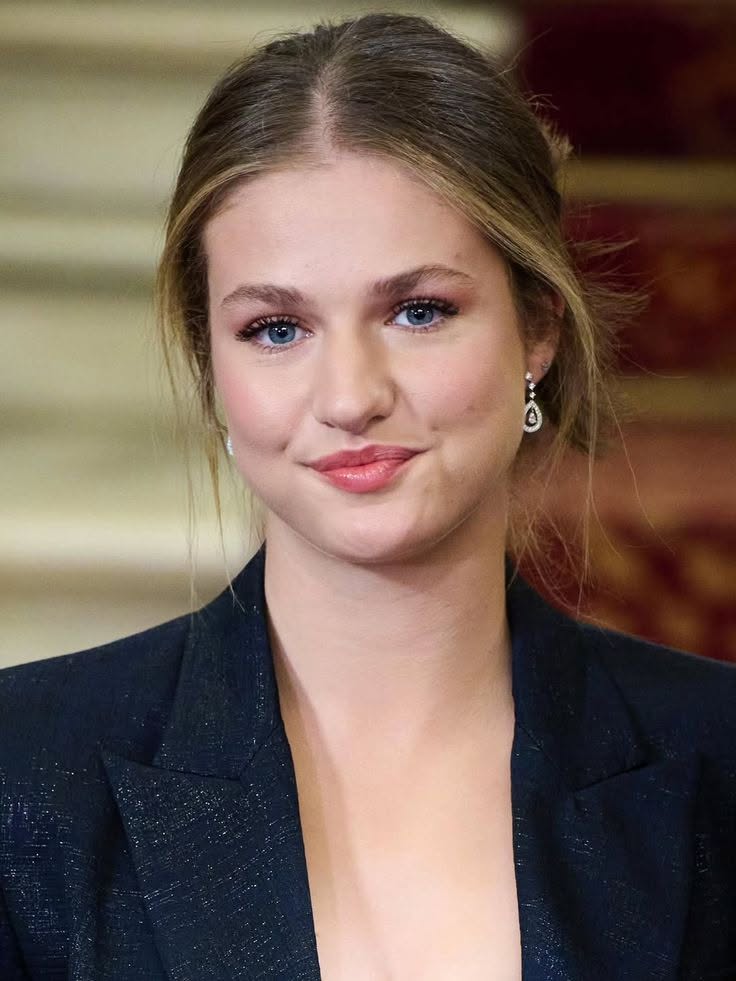
Europe is in the middle of a historic shift: the thrones are passing to a generation of women, the first female heirs in centuries, and the institutions are changing with them. Here are the future queens, and what their reigns will mean.
Introduction
Something remarkable is happening in the European monarchies, quietly, over decades: the crown is passing to women. The succession laws changed, one country at a time, from male preference to absolute primogeniture, the eldest child inherits regardless of gender, and the result is the first generation of female heirs the continent has seen in centuries. The women are prepared, the institutions are adapting, and the oldest form of government in Europe is about to look different. This guide introduces the generation.
1. The change that made it possible
The shift is legal, not accidental. Through the 1980s and 1990s, the European monarchies amended their succession laws: Sweden first, then the Netherlands, Norway, Belgium, and later Spain, each adopting the rule that the eldest child inherits, period. The laws changed because the societies changed, and the result is the current moment: five future queens across the continent, prepared for thrones their mothers could never have held.
The significance is symbolic and real. The monarchies are constitutional, the power is ceremonial, and the image is everything: the institutions are signaling their own modernization through the heirs they have chosen, and the public has responded with approval. The royal social media guide covers how the signal is broadcast, and the heirs are the content.
2. The future queens, introduced
Victoria of Sweden is the senior figure of the generation: decades of public duty, the highest approval ratings in her country, and the template the others follow. Amalia of the Netherlands chose her own path through university before the full weight of the role, and her public statements read as modern and deliberate. Ingrid Alexandra of Norway grew up in the most egalitarian of the monarchies, and the informality shows. Leonor of Spain carries the particular weight of a monarchy restored within living memory, and her military training follows the family template. Elisabeth of Belgium is the quietest of the generation, and the most watched.
Each was educated deliberately: the local schools for the grounding, the international programs for the perspective, and the military training several have completed, the old tradition of the monarch as commander, updated for a ceremonial age. The palaces guide covers the settings, and the education is the institution's long game: the preparation for a lifetime of public duty, started at childhood.
3. What the reign will actually look like
The honest answer: much like the current one, and different in the image. The modern European monarch is a constitutional figurehead, the duties ceremonial, the speeches symbolic, the calendar a decades-long program of public appearances. The female heirs will run the same program, and the difference is the signal: the institution's oldest audience, the traditionalists, and its newest, the young public, will both read the change, and the change is the point. The royal finances guide covers the institution's economics, and the image is the institution's product.
4. The challenges of the generation
The generation faces the monarchy's standing questions, sharpened: the relevance question, whether a modern democracy needs the institution at all; the scrutiny question, the social media era examining every gesture; and the balance question, the public duty versus the private life, now lived in public from birth. The heirs have answered so far with discipline: the education completed, the duties performed, the scandals minimal. The celebrity careers guide covers the pressure from the other direction, and the heirs walk the line between the institution and the spotlight daily.
5. Why the generation matters
The female heirs matter because the institution is changing and they are the change. The monarchies that survive the century will be the ones that look like their societies, and the societies elected women to everything else decades ago. The thrones were the last place, and the last place is falling. The future queens of Europe are not the end of the story; they are the story adapting, and the adaptation is being watched, as everything about the royals is watched, by an audience of millions. The social media guide has the audience numbers, and the numbers are the institution's answer.
Conclusion
The crown princesses of Europe are a generation of firsts: the first female heirs in centuries, prepared for thrones the law had to change to give them. Victoria, Amalia, Ingrid Alexandra, Leonor, Elisabeth: five future queens, educated deliberately, watched constantly, and carrying the institution's modernization on their shoulders. The reigns will look familiar and feel different, and the difference is the entire point. The oldest institution on the continent is changing, and the change has a face, five faces, actually, and the world is watching.
Frequently asked questions
Who are the current crown princesses of Europe?
Victoria of Sweden, Amalia of the Netherlands, Ingrid Alexandra of Norway, Leonor of Spain, and Elisabeth of Belgium lead the generation: the first women in several of their countries to inherit the throne on equal terms with men.
Why are there suddenly so many female heirs to European thrones?
Because the succession laws changed. Several European monarchies adopted absolute primogeniture, the eldest child inherits regardless of gender, over the last decades. The change produced the first generation of female heirs in centuries.
How are crown princesses educated?
Deliberately and publicly: the local schools first, the international programs later, and the military training that several of the heirs have completed, following the model of preparing for a public life from childhood.
What will change when a crown princess becomes queen?
Less than people expect: the modern European monarchies are constitutional, and the role is ceremonial and symbolic. What changes is the image of the institution, which is exactly why the female heirs matter.
Which crown princess is most popular?
Victoria of Sweden has the longest public record and the highest approval, and the younger heirs, Leonor of Spain and Amalia of the Netherlands, are building their followings as they enter public life. The popularity is earned through decades of visible duty.
This article is for general information only.